
Alarm Response Services for Nelson, Tasman and Marlborough
When an alarm activates at your business, uncertainty and risk increase immediately – especially after hours. Whether it’s an intrusion alarm, motion sensor trigger, or perimeter breach, you need a trained professional on-site to verify the cause, secure the property, and prevent ongoing risk. ClearWatch NZ provides professional Alarm Response services across Nelson, Tasman District, and Marlborough, ensuring every activation is handled safely, systematically, and with full accountability.
Our PSPLA-licensed officers respond to alarms using structured procedures built around verification, risk assessment, and property-specific instructions. Each response is documented with GPS-verified attendance, photos (where required), and clear reporting suitable for internal logs, audits, and insurance claims. With ClearWatch NZ attending alarms on your behalf, you eliminate late-night risk for yourself and staff, while ensuring incidents are handled correctly every time.
Why Professional Alarm Response Matters
Alarm activations can occur for many reasons – attempted break-ins, movement inside the building, environmental conditions, system faults, or equipment disturbances. Responding yourself, especially at night, carries safety concerns and creates uncertainty about what you will find when you arrive. Professional alarm response gives you confidence that trained officers are managing the incident with clear protocols.
Professional alarm response matters because it replaces uncertainty with structure. Officers follow procedural checklists that prevent missed issues, reduce false escalations, and ensure threats are handled calmly and efficiently.
Professional alarm response helps you:
- Keep yourself and staff safe by avoiding late-night personal attendance
- Ensure alarms are interpreted and handled correctly
- Detect forced entry, tampering, or suspicious movement
- Reduce unnecessary police involvement through proper verification
- Provide insurance-ready reporting and photo documentation
- Integrate alarm response with patrols and CCTV monitoring
- Maintain consistent after-hours security across multiple properties
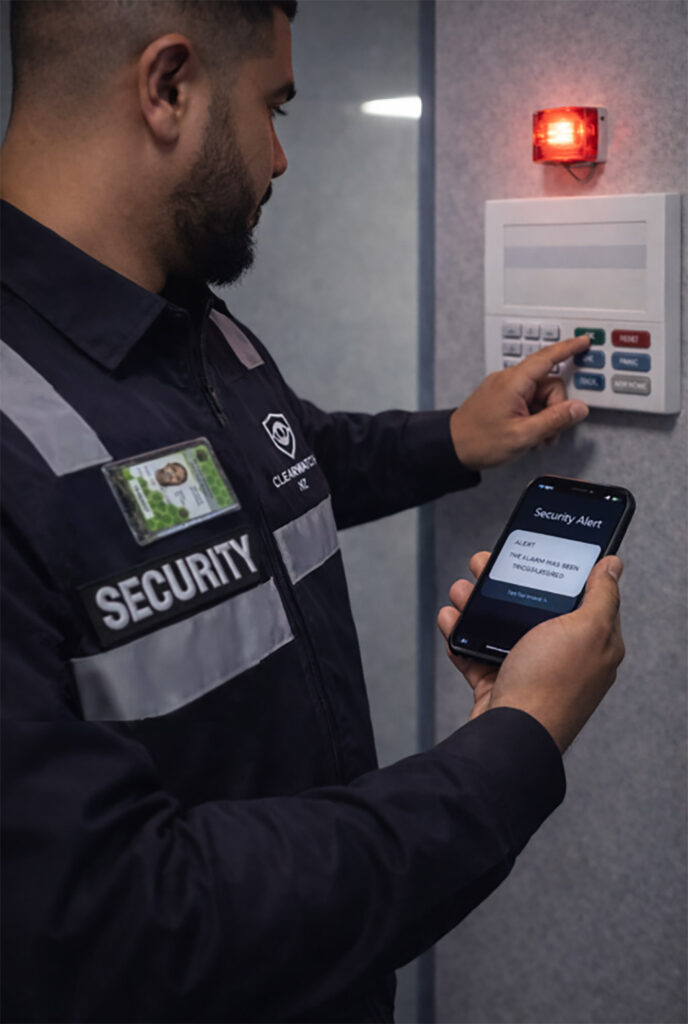
Our Alarm Response Services
ClearWatch NZ provides a complete Alarm Response solution designed to handle every activation with precision, consistency, and full transparency. Whether it’s a one-off incident or a frequent activation, our officers follow strict protocols that match your property layout, alarm zones, and specific risk profile.
Our service includes:
- Alarm verification and classification
- GPS-verified patrol officer dispatch
- Perimeter and access-point inspection
- Internal investigation (if authorised)
- Tampering and forced-entry detection
- Re-securing the building and resetting alarms
- Immediate escalation when required
- Full documentation and reporting
Alarm Verification
Verification is essential before dispatching an officer. It reduces unnecessary callouts and helps determine the severity of the alarm. Our monitoring team identifies which sensor or zone triggered, checks for repeated activations, and reviews CCTV (if connected) to assess whether the alarm appears genuine.
Verification may include:
- Identifying the exact zone or sensor triggered
- Reviewing for visual confirmation
- Checking for repeated or multi-zone activations
- Considering weather or environmental conditions
- Confirming whether contractors or staff were expected
Patrol Officer Dispatch
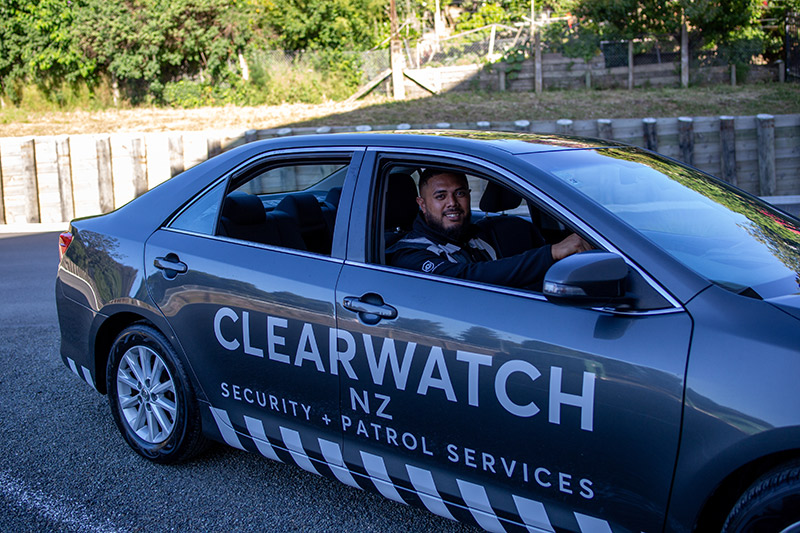
Once verified, a trained patrol officer is dispatched. Officers respond from strategic locations across Nelson, Tasman, and Marlborough, ensuring broad coverage. Each dispatch is GPS-verified so clients receive proof of attendance with precise timestamps.
Dispatch protocols typically involve:
- Assigning the nearest available patrol unit
- Providing alarm zone and property details
- Logging GPS-verified dispatch time
- Following your predefined response plan
- Maintaining communication with monitoring staff
Perimeter and Access Point Checks
Upon arrival, officers carry out a systematic perimeter inspection. Many break-in attempts begin with exterior tampering, so identifying early signs of disturbance is essential.
Perimeter checks include:
- Assessing windows and doors for forced entry
- Checking roller doors and loading docks
- Reviewing gates, fences, and exterior panels
- Inspecting yard areas, vehicles, and storage zones
- Observing surrounding areas for signs of movement or disturbance
Internal Checks (If Authorised)
If you provide access codes or keys, officers can enter the building to inspect alarm zones, internal doors, server rooms, high-value areas, and corridors. Internal checks confirm whether movement or activity occurred inside, even when no external damage is visible.
Internal checks may include:
- Reviewing alarm panels and system status
- Inspecting storage areas and equipment rooms
- Confirming internal doors are secure
- Identifying signs of disturbance or forced entry
- Ensuring lights and internal systems are functioning correctly
Site Securing and Re-Locking
Once the source of the alarm is confirmed, officers take steps to secure the site. This is critical to prevent secondary incidents after the first activation.
Securing the site includes:
- Re-locking accessible entry points
- Applying temporary measures when locks are damaged
- Reporting compromised security features
- Ensuring no one remains inside
Resetting the alarm system (if authorised)
Incident Documentation and Reporting
Every alarm response concludes with an official report suitable for insurance, internal audits, or incident reviews. This ensures full transparency around the event and how it was handled.
Reports often include:
- GPS-verified arrival and departure times
- Alarm zone information
- Observations from perimeter and internal checks
- Photos of damage or tampering
- Notes on environmental or equipment factors
Recommended corrective actions
How Our Alarm Response Process Works
ClearWatch NZ follows a structured six-step process developed from real alarm response patterns across the region. This ensures officers respond consistently and safely every time.
Step 1 - Alarm Activation
When your alarm activates, the monitoring system provides immediate data about the sensor, zone, and time of activation. If integrated with cameras, live footage may also be available.
Activation data may include:
- Type of sensor triggered (motion, door, beam)
- Location of activation
- Multiple or repeated activations
- Corresponding CCTV alerts
- Whether activation occurred during or after business hours
Step 2 - Verification and Decision Rules
Decision rules created during onboarding determine how each type of alarm should be handled. Verification helps classify whether the alarm appears genuine or environmental.
Decision rules may cover:
- Immediate dispatch for intrusion alarms
- CCTV verification before dispatch
- Escalation for repeated multi-zone triggers
- Steps to take if an alarm resets
- Contact procedures for serious incidents
Step 3 - Dispatch and Arrival
Once dispatched, the patrol officer travels to the site using safe entry and observation protocols. Officers perform an initial assessment from their vehicle before beginning checks.
Arrival procedures include:
- Observing surroundings for suspicious activity
- Noting vehicles or individuals near the site
- Beginning structured perimeter checks
- Reviewing external alarm indicators (panels, lights, sensors)
Step 4 - On-Site Investigation
Officers perform detailed inspections based on the type of alarm and the property’s known vulnerabilities.
On-site investigation includes:
- Checking all doors, windows, and shutter points
- Inspecting loading docks and equipment zones
- Reviewing yards and storage areas
- Entering the building if authorised
- Identifying signs of forced entry or tampering
Step 5 - Securing the Site
After the investigation, officers secure the property to prevent further incidents. This includes re-locking access points and ensuring the building is ready for alarm reactivation.
Securing the site includes:
- Locking doors and windows
- Confirming gates and panels are secure
- Ensuring no unauthorised persons remain
Resetting the alarm (if allowed)
Step 6 - Follow-Up and Reporting
Every activation concludes with clear documentation. Reports ensure transparency and help you identify recurring issues.
Reports typically include:
- What caused the alarm
- What was found upon arrival
- Photos of any damage or disturbance
- Recommendations for system or property improvements
Alarm Types We Respond To
Different sensors create different types of alarm activations. Our officers are trained to interpret, investigate, and respond to each one appropriately.
Intrusion Alarms
Intrusion alarms indicate potential forced entry and require immediate, thorough investigation.
Common triggers include:
- Broken locks or panels
- Forced entries attempted at windows or doors
- Movement in restricted areas
Motion/Movement Alarms
Motion sensors detect movement indoors or in protected outdoor zones. These can indicate intrusion or environmental triggers.
Typical causes include:
- Human presence
- Equipment movement
- Sudden environmental changes (wind, animals, etc.)
Door/Window Sensor Alarms
Contact sensors are highly reliable indicators of unauthorised access.
They often trigger due to:
- Doors left ajar
- Tampered locks
- Window interference
Panels slightly pried open
Perimeter Beam Alarms
Beam alarms protect large outdoor areas such as car yards, warehouses, and construction sites.
Beam alarms may detect:
- Fence-line breaches
- Movement between vehicles
- Late-night trespassing
- Attempted access via side or rear areas
Multi-Zone and Repeated Triggers
Repeated activations indicate movement or a persistent disturbance.
Officers respond to:
- Sequential sensor triggers
- High-value area alerts
- Cascading alarms across different buildings
CCTV-Verified Alarms
If your system is linked to CCTV, operators visually confirm the cause of the alarm.
CCTV verification helps:
- Reduce unnecessary callouts
- Provide information to responding officers
- Improve incident accuracy
- Speed up escalation when needed
Retail and Car Yards
Retail stores and car yards face high exposure due to glass frontage and valuable assets.
Alarm response tasks include:
- Checking windows and display areas
- Inspecting rear access points
- Reviewing vehicle rows and fencing
Warehouses and Storage Facilities
Warehouses contain wide areas and multiple access points.
Officers inspect:
- Roller doors
- Loading docks
- Outdoor storage
- Inside aisles and high-value cages
Industrial Yards and Manufacturing Sites
Industrial environments require outdoor and indoor checks across machinery, tools, and yard areas.
Officers evaluate:
- Machinery storage
- Fenced-off areas
- Access gates
- Perimeter lines
Construction Sites
Construction sites are frequent targets of night-time theft.
Officers monitor:
- Tool and material storage
- Machinery zones
- Fences and perimeter boundaries
- Temporary offices and containers
Tourism and Accommodation Properties
Tourism properties require both security and guest safety.
Alarm response tasks include:
- Checking reception and shared areas
- Inspecting cabins or external buildings
Reviewing visitor parking and pathways
Alarm Response + Patrols + CCTV Monitoring
Alarm response becomes significantly more effective when combined with CCTV monitoring or mobile patrols. ClearWatch NZ integrates on-ground response with real-time camera visibility and scheduled patrol coverage.
Integrated solutions allow you to:
- Verify alarms quickly
- Reduce false dispatches
- Direct patrol officers intelligently
- Provide complete incident documentation
- Maintain continuous after-hours protection
Alarm + Patrol Combo
The combination of alarm response and mobile patrols
provides both visibility and rapid physical presence.
Benefits include:
- Faster on-site arrival
- Better context for officers
More thorough follow-up checks
Alarm + CCTV Verification
Linking your alarm to CCTV ensures operators verify the trigger visually.
Alarm + CCTV improves:
- Decision accuracy
- Incident clarity
- Dispatch decisions
- Evidence collection
Regions We Protect at Night
We provide after-hours security across:
Nelson Alarm Response
We support commercial, retail, industrial, hospitality, and waterfront properties across Nelson.
Tasman District Alarm Response
We support businesses in Richmond, Motueka, Mapua, Brightwater, and surrounding areas.
Marlborough Alarm Response
We provide coverage across Blenheim, Picton, Renwick, and nearby commercial and industrial sites.
Why Businesses Choose ClearWatch NZ
ClearWatch NZ is trusted by businesses across the region because we combine experience, structured procedures, and strong regional presence. Our team consists of PSPLA-licensed security officers trained in risk assessment, safe entry procedures, alarm system interpretation, and structured reporting.
Businesses choose us for:
- Licensed and highly trained responders
- GPS-verified attendance and documentation
- Integration with CCTV monitoring and patrols
- Clear communication and reporting
- Local knowledge of crime patterns
- Structured, repeatable response procedures
Frequently Asked Questions
What happens when my alarm activates?
Our monitoring team verifies the activation, checks the triggered zone, reviews CCTV (if available), and dispatches a patrol officer based on your response plan.
How fast do officers arrive?
Arrival time depends on officer location and site distance, but dispatch begins immediately after verification.
Do you enter the building?
Yes – if you provide permissions, keys, or access codes.
Do you verify alarms before attending?
Yes. Verification reduces false callouts and ensures safe decision-making.
Can you work with my existing alarm system?
In most cases, yes. Compatibility is reviewed during onboarding.
Do you provide reports or photos?
Yes. Full incident documentation, including photos, is provided for insurance and internal records.
Request an Alarm Response Assessment
Give your business safer, more reliable, and more professional alarm handling. ClearWatch NZ provides region-wide coverage and structured response procedures tailored to your property.